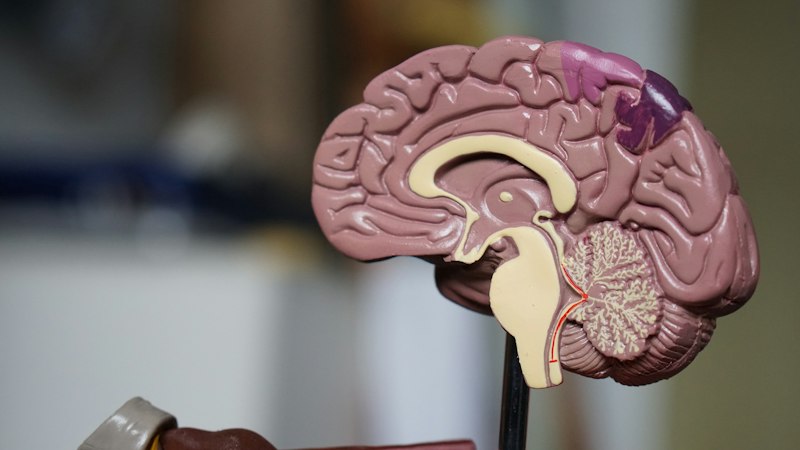
The Gut-Brain Axis: Your Second Brain Is in Your Stomach
The bidirectional communication network between gut and brain has profound clinical implications.
The gut-brain axis is a bidirectional communication network linking the enteric nervous system of the gastrointestinal tract with the central nervous system. This connection operates through neural pathways, hormonal signals, and immune mediators, with the vagus nerve serving as the primary communication highway.
The Enteric Nervous System
Often called the “second brain,” the enteric nervous system contains approximately 500 million neurons — more than the spinal cord. It operates largely independently, regulating peristalsis, secretion, and blood flow, but is in constant communication with the brain.
Microbial Influence on Brain Function
The gut microbiome shapes this axis profoundly. Approximately 90% of the body's serotonin is produced in the gut, primarily by enterochromaffin cells responding to microbial signals.
- Dysbiosis has been associated with elevated anxiety and depressive symptoms in multiple clinical studies.
- Germ-free animal models demonstrate impaired stress responses and altered HPA axis reactivity.
- Probiotic interventions have shown modest but consistent improvements in mood outcomes in human trials.
Practitioners who integrate gut biome data into mental health workups are better positioned to address root causes rather than symptoms alone.